

Let your body move, your mind follow, and your thoughts flow free — the dance of healing begins
Dance Movement Therapy (DMT)
What is DMT?
Dance Movement Therapy (DMT) is a form of psychotherapy using movement to support mental, emotional, and physical well-being. It helps individuals express emotions, process trauma, and reconnect with their body in a safe and therapeutic environment.
Key points:
Movement and dance become pathways for emotional expression and healing
Supports trauma recovery and builds resilience
Integrates body, mind, and spirit for whole-person growth
Hana’s Unique Approach:
“Why HANA is Different”
At HANA, our DMT sessions are grounded in current research and the philosophy of Ikigai — supporting clients to find purpose, meaning, and connection in life.
Our Director, Ai Kihara, is actively researching trauma-informed, culturally responsive, and safe therapeutic practices. We invite you to explore her research articles to learn more about the values and methods that shape our work.
Unique Points:
Trauma-focused and safe — Sessions are designed to support comfort, empowerment, and nervous system regulation
Whole-person healing — Strengthening the connection between body, mind, identity, and self-awareness
Strong therapeutic alliance — Clear structure, compassionate attunement, and trust at the centre of the work
Supporting post-traumatic growth — Encouraging transformation, resilience, and renewed life meaning beyond symptom relief
Flexible and inclusive — Adapted to meet the diverse needs of children, youth, and adults from different backgrounds and abilities
Benefit of DMT
“How DMT Can Help You”
Clients engaging in DMT with HANA may experience:
Safer connection with the body
Improved emotional expression
Stronger sense of identity
Better emotional regulation
Trauma recovery support
Growth in resilience
More positive self-esteem
Enhanced social connection
Increased mind-body integration
Joy, creativity, and vitality
Who Can Benefit
“DMT for Everyone”
Our sessions are designed for children, adolescents, adults, and communities. DMT can support mental health challenges, trauma recovery, neurodiversity, physical or emotional difficulties, or anyone seeking personal growth.
DMT Demo Video
What you will get
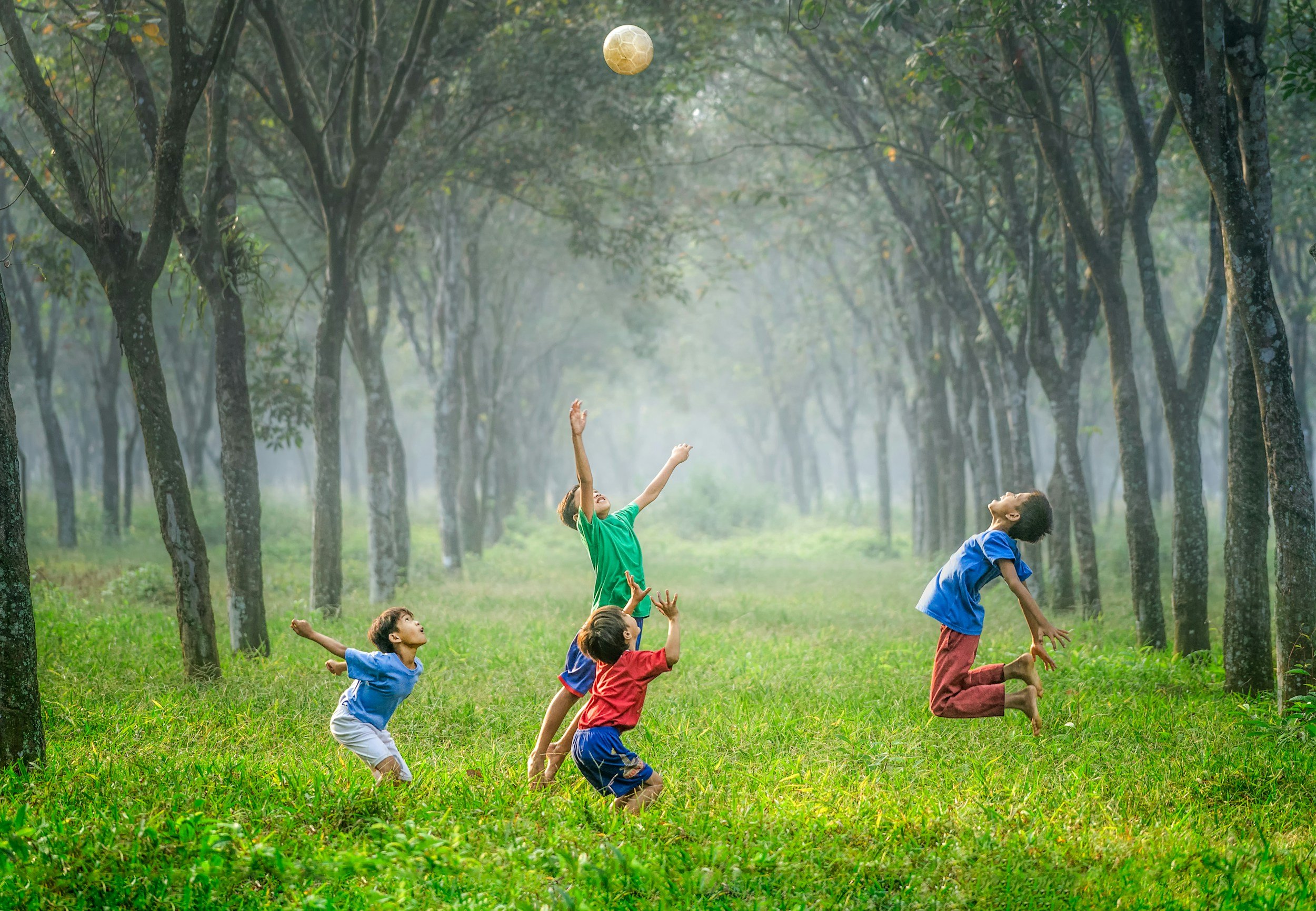
✺ Children
develop social skills
enhance ability to express
build self-esteem
aid in regulating anxiety or behavioral issues
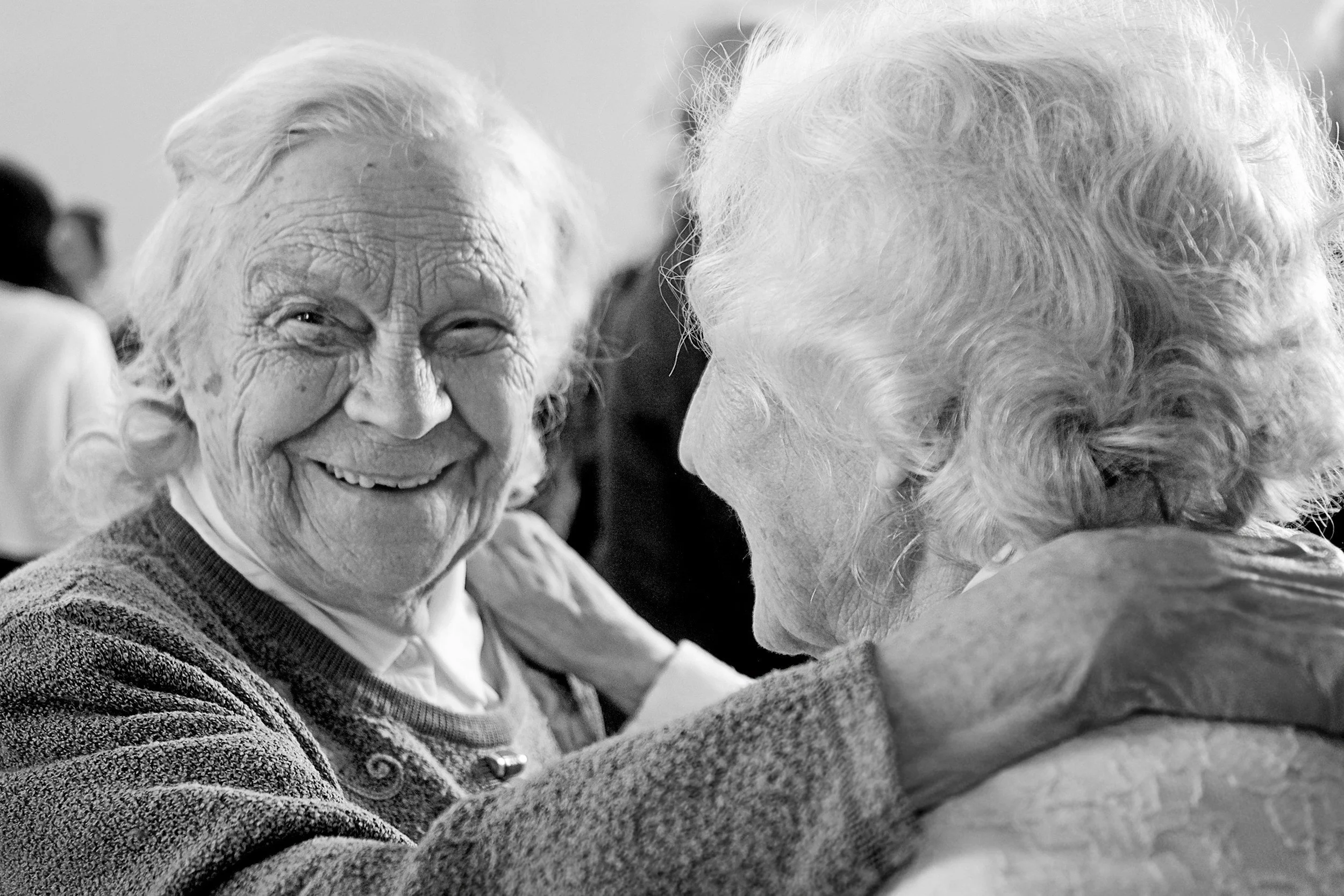
✺Older People
improve mobility, cognitive function, emotional wellbeing, and overall quality of life
offer a creative outlet for expression and help combat feelings of isolation
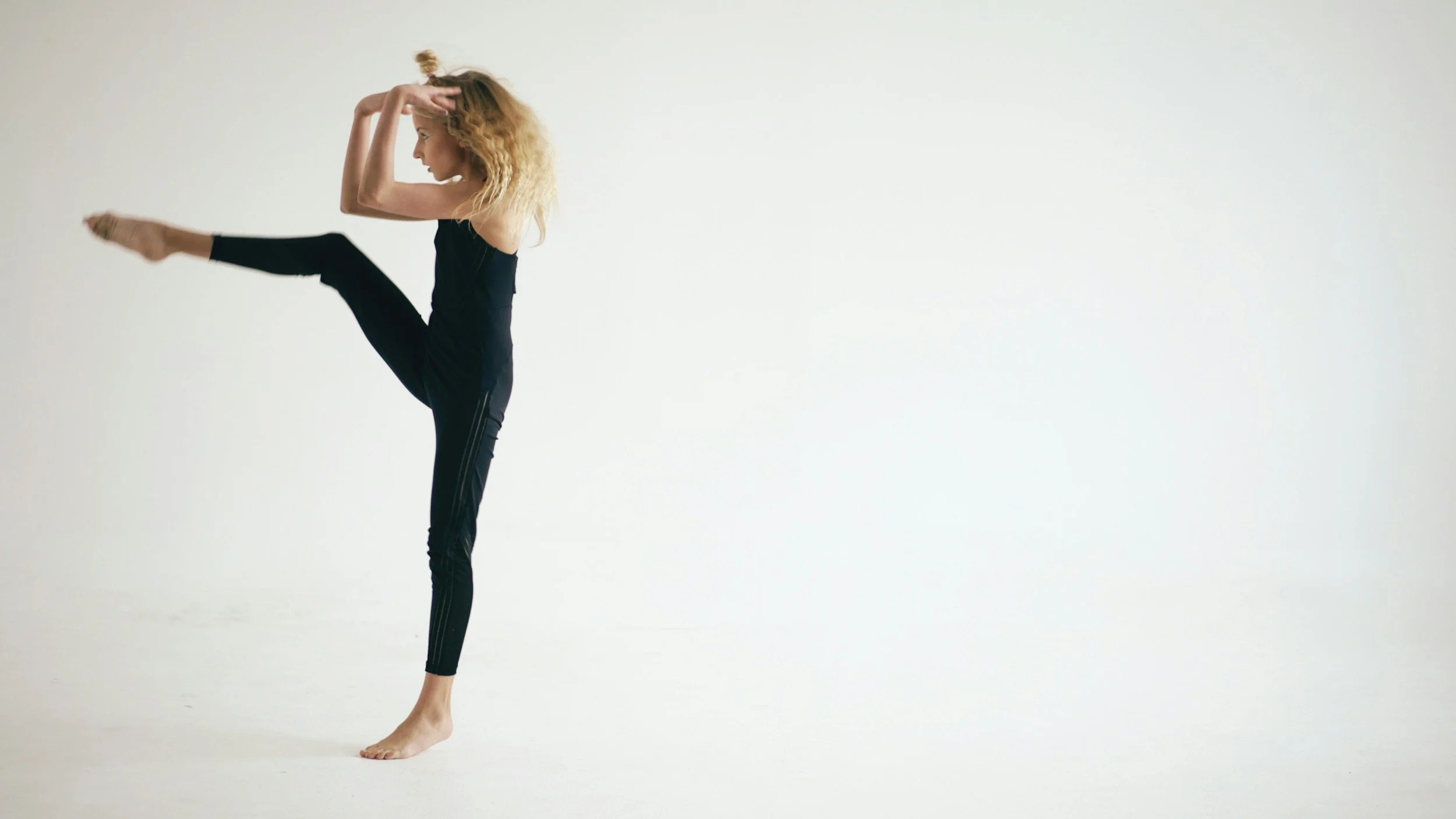
✺ Youth
navigate the complexities of identity and emotional challenges
encourage self-discovery and fosters connections
help to build resilience and manage stress.
✺Team bonding& Wellness
provide a safe and fun space for immersive experiences of Dance Movement Therapy (DMT)
improve communication, team-building and enhancing workplace dynamics
support self-care, reduce stress, and promote creativity

✺Adults

address a range of issues, including stress, trauma, and mental health challenges
promote self-awareness and emotional expression
facilitate personal growth
body Safety
emotional Processing
identity & Purpose
connection & Growth
✺ People who need healing from trauma
The difference between a regular dance class and Dance Movement Therapy (DMT):
1. Purpose
Just Dance Class
Main goal: Learn dance steps, improve technique, get exercise, have fun.
Focus is on performance, coordination, rhythm, and fitness.
Dance Movement Therapy (DMT)
Main goal: Support emotional, psychological, and physical wellbeing through movement.
Focus is on self-expression, healing, and mind–body integration, not on dance skill.
2. Who Leads It
Just Dance Class
Taught by a dance instructor or choreographer.
Dance Movement Therapy
Facilitated by a trained and qualified Dance/Movement Therapist, who understands:
psychology
body–mind connection
trauma-informed practice
non-verbal communication
3. Structure and Activities
Just Dance Class
Warm-up → learn choreography → practice → cool down.
Everyone usually does the same steps.
Emphasis on accuracy and improvement.
DMT
No required steps or choreography.
Movements are often improvised or guided to help:
reduce stress
process emotions
explore identity or inner experiences
support trauma healing
Can include drawing, writing, talking, or reflection after movement.
4. Environment
Just Dance Class
Often energetic, loud music, fast-paced.
Group follows the teacher.
DMT
Slower pace, safe therapeutic environment.
Space for personal expression without judgement.
Movement follows the client, not the therapist.
5. Outcomes
Just Dance Class
Better fitness, coordination, and confidence.
Enjoyment and social connection.
DMT
Emotional regulation
Trauma recovery
Personal insight
Improved body awareness
Support for anxiety, depression, stress, and wellbeing
Strengthened mind-body connection
Short Summary
Dance class = learning to dance.
Dance Movement Therapy = using movement to heal.

Our Special Programme
At HANA, our Director Ai Kihara combines years of professional experience with cutting-edge research to create unique, integrative therapy approaches tailored to each client’s needs. Her work is deeply informed by:
Zen Art Therapy & Japanese Zen Philosophy — cultivating mindfulness, presence, and non-verbal expression through movement and creativity
Dance Movement Therapy (DMT) Research — leveraging body-based expression to support trauma recovery, emotional processing, and post-traumatic growth (PTG)
Cultural Sensitivity — incorporating insights from Maori colonization trauma, indigenous healing practices, and the Rainbow community to ensure therapy is safe, inclusive, and culturally affirming
Innovative Integrative Methods — combining DMT with complementary approaches such as:
DMT + Zen Art Therapy — using creative arts and movement to foster mindfulness, emotional release, and healing
DMT + Zen Mindfulness — enhancing embodied awareness and calm through movement-focused meditation
DMT + EMDR Art Therapy — integrating eye movement desensitization and creative expression for trauma processing
This integrative philosophy supports whole-person healing, helping clients navigate trauma, reconnect with their body and emotions, and discover meaning, purpose, and resilience in their lives.
COST
Free/Koha based DMT
DMT(Funded)
We have DMT programmed by funding. Please contact us to get more details.
Others
We provide private, pop-up sessions.
Hourly rate: From $110/hr
Please tell us your budget to create your special programme
FAQs
-
Kids DMT
Youth DMT
Adult DMT
Older People DMT
Family (parents&Kids) DMT
LGBTQIA+ DMT
Neurodiverse DMT
Trauma DMT
Zen Art therapy+DMT
Community DMT
Here is the flyer for you!
Dance Movement Therapy (DMT) offers versatile delivery formats, including individual sessions, group sessions, and workshops.
These formats can be tailored to meet the needs of diverse populations, settings, and therapeutic goals.
Contact our team to discuss the best option to suit your needs and expectations.
-
Dance Movement Therapy (DMT) is a psychotherapeutic approach that utilizes movement and dance as a means of expression and communication.
Rooted in the belief that the body and mind are interconnected, DMT encourages individuals to explore their emotions, thoughts, and experiences through physical movement.
This form of therapy is particularly effective in promoting mental, emotional, and physical well-being.
-
The therapeutic process in DMT typically involves the components including, assessment, therapeutic goal setting, movement exploration, reflection, and integration.
DMT emphasises a non-verbal approach, allowing participants to express feelings that may be difficult to articulate.
DMT is also informed by nervous system theory as it recognises the connection between movement and emotional regulation, emphasising how rhythmic and expressive motion can help individuals process trauma, reduce anxiety, and enhance overall well-being by activating the body's natural responses to stress and promoting a sense of safety and connection.
The therapist holds a non-judgemental attitude and creates a safe and supportive environment where individuals can explore their movement and emotional responses freely.
-
DMT is suitable for a diverse range of individuals, including:
- Older adults seeking to enhance their physical and mental well-being.
- Individuals with mental health challenges such as anxiety, depression, or trauma.
- Children and adolescents for emotional regulation and social skills development.
- Individuals with physical disabilities or chronic illnesses who may benefit from gentle movement.
- Corporate retreat/team bonding workshops to support staff members' mental well-being, enhance creativity, promote workplace dynamics and communication.
- Dance classes that promote physical health and psychological wellbeing.
-
Dance Class
Focuses on learning steps, improving technique, and enjoying movement.
Led by a dance instructor.
Goal: fitness, coordination, and fun.
Dance Movement Therapy (DMT)
Uses movement as a tool for emotional, psychological, and physical wellbeing.
Led by a trained Dance/Movement Therapist.
Goal: self-expression, stress relief, trauma processing, and mind–body connection.
Movements are personalized and improvised, allowing healing and personal growth in a safe, non-judgmental environment.
In short:
Dance class teaches you to dance. DMT helps you heal and connect with yourself through movement.