From the mud, the lotus blooms.
Healing and transformation begin here.
The Mud Lotus Model
Like the lotus rising from the mud, healing begins where we are.
Who Created the Mud Lotus Model
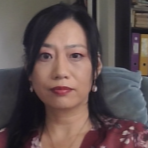
Ai Kihara - Director at Hana Counselling
The Mud Lotus Model was developed
by Ai Kihara
The Mud Lotus Trauma Integration Model was developed by Ai Kihara, founder of Hana Counselling and a trauma-informed counsellor based in Aotearoa New Zealand.
Ai holds a Master of Counselling from the University of Auckland, where she researched and developed Zen Art Therapy, an approach integrating mindfulness, artistic expression, and contemplative practices to support emotional healing.
Her work has also explored Post-Traumatic Growth (PTG) through research at the BTI Institute, where she examined both the strengths and limitations of existing PTG frameworks.
Through years of clinical work with individuals, organisations, and communities affected by trauma—including domestic violence, organisational trauma, community crises, and human trafficking cases in Japan—Ai recognised the need for an approach that supports not only recovery, but also the integration of lived reality and the reconstruction of meaning after trauma.
This work led to the development of the Mud Lotus Trauma Integration Model, inspired by the image of the lotus flower rising from the mud.
If you wish to reference the Mud Lotus Trauma Integration Model, please cite:
Kihara, A. (2026).Beyond Post-Traumatic Growth:The Mud Lotus Trauma Integration Model as a Framework for Reality Preservation and Meaning Integration. Hana Counselling. https://www.hanacounselling.com/article/beyond-post-traumatic-growththe-mud-lotus-trauma-integration-model-as-a-framework-for-reality-preservation-and-meaning-integration
Kihara, Ai. (2026). The Lotus in the Mud- An Integrative Approach to Trauma Recovery, Healing, and Post-Traumatic Growth in the Zen Moment; A Hana Counselling Trauma Integration Model. Hana Counselling. https://www.hanacounselling.com/article/the-lotus-in-the-mud-an-integrative-approach-to-trauma-recovery-healing-and-post-traumatic-growth-in-the-zen-moment-a-hana-counselling-trauma-integration-model
Suggested Citation
Intellectual Property & Copyright Notice
© 2026 Hana Counselling Limited. All rights reserved.
The Mud Lotus Programme™, including but not limited to its curriculum, programme structure, educational materials, written content, workbooks, presentations, graphics, research, assessment tools, concepts, and training resources, is the intellectual property of Hana Counselling Limited unless otherwise stated.
No part of this website or the Mud Lotus Programme may be copied, reproduced, adapted, distributed, published, transmitted, or used for commercial or educational purposes without the prior written permission of Hana Counselling Limited, except where permitted under applicable copyright law.
The Mud Lotus Programme has been developed through original research, professional practice, and lived experience. We welcome collaboration, research partnerships, and authorised use of our work. Please contact us if you wish to discuss licensing, training, research collaboration, or permission to use any part of the programme.
Delivered by Hana Counselling
The programme combines individual sessions, guided reflection, and body-based therapeutic practices to support trauma recovery and meaning integration.
-
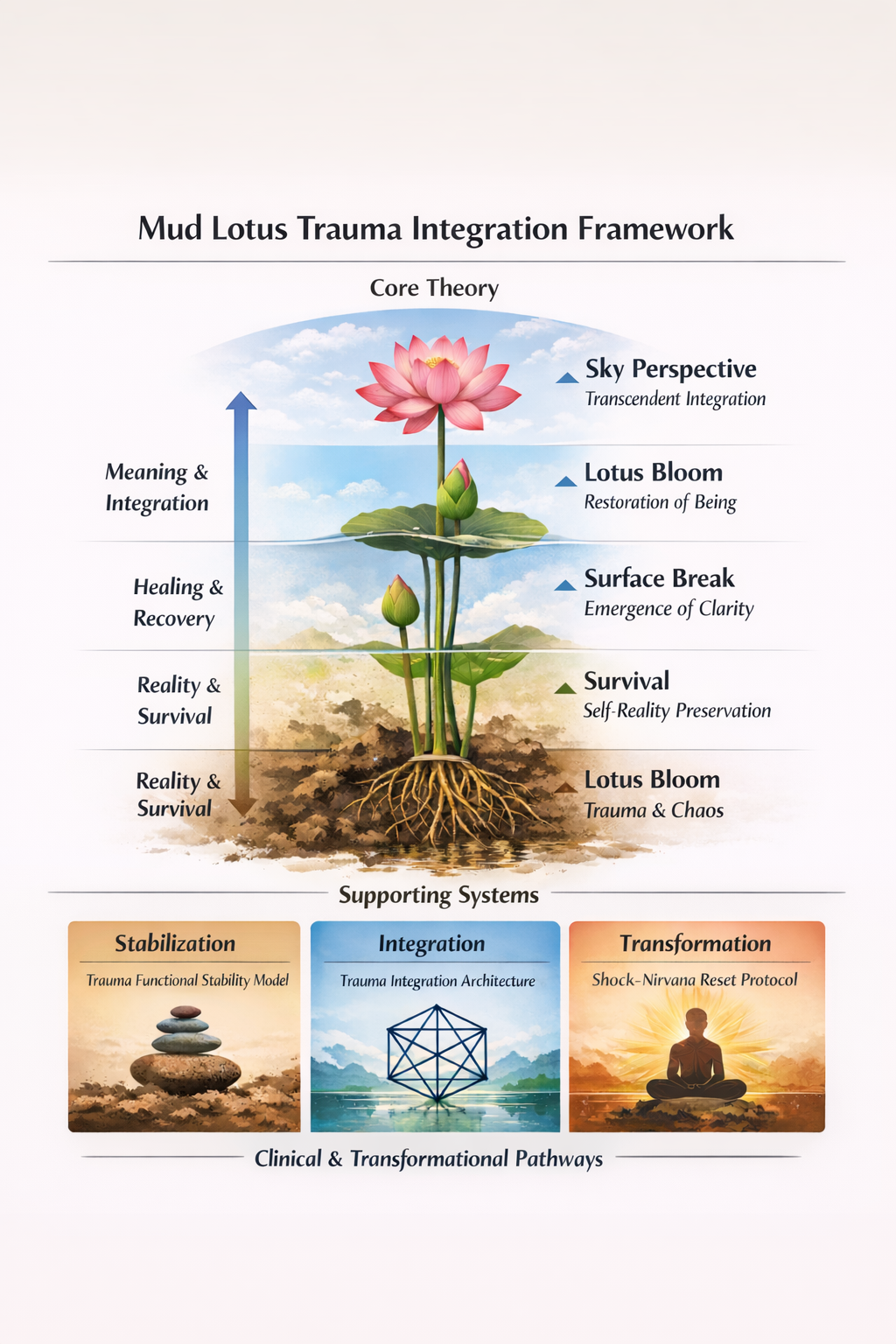
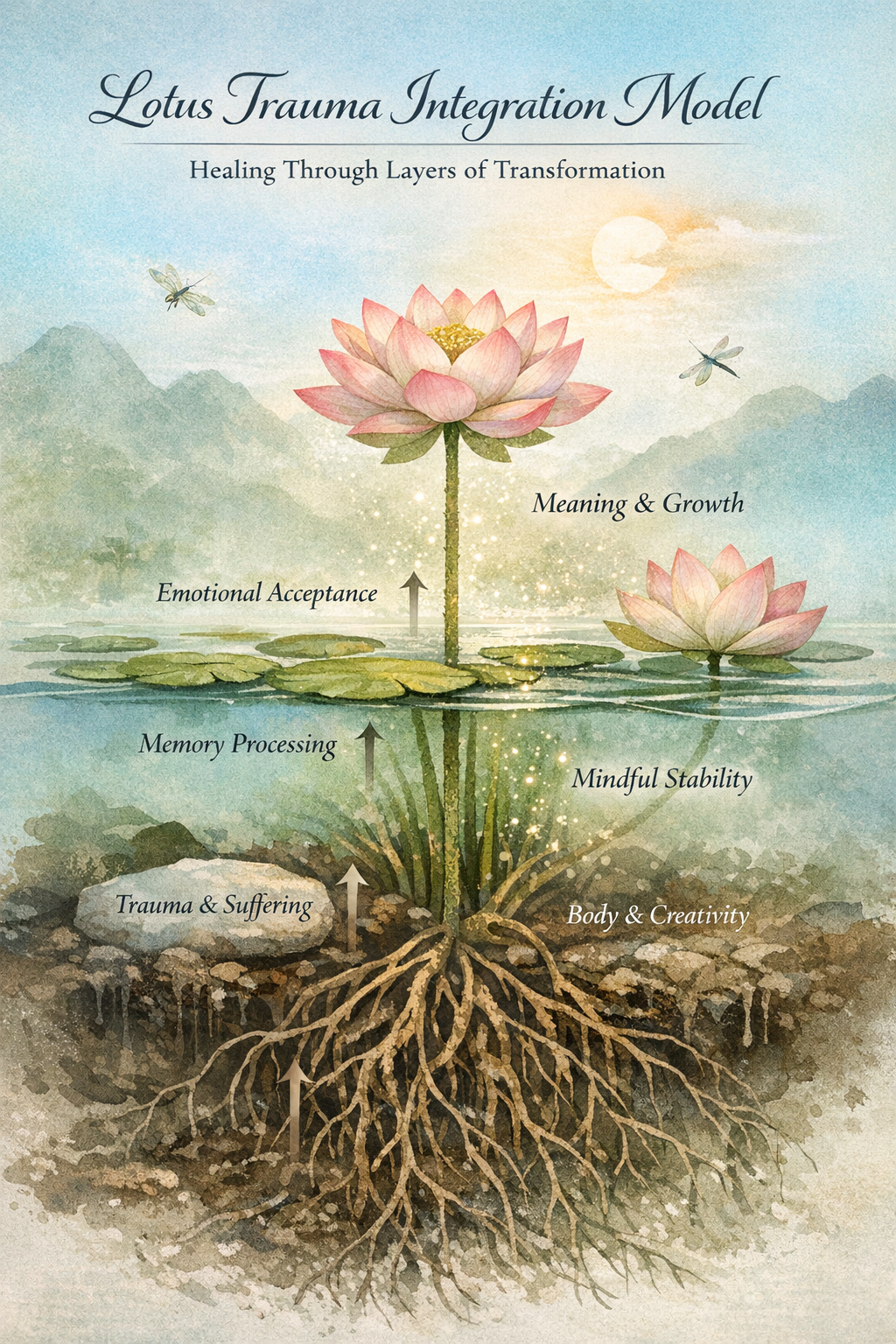
The Mud Lotus Trauma Integration Model is a trauma recovery framework that recognises that healing does not occur by erasing painful experiences, but by integrating them into a meaningful life story.
Like the lotus flower that grows from the mud, human resilience often develops through adversity. Trauma can disrupt a person's sense of safety, identity, and connection. However, with the right support, individuals can reconnect with their body, rebuild meaning, and rediscover their inner strength.
The Mud Lotus Model integrates:
Trauma-informed psychotherapy
Somatic awareness
Morita Therapy
Naikan reflective practice
Dance Movement Therapy
Mindfulness and Zen-based practices
This approach focuses not only on symptom reduction, but on meaning integration and identity reconstruction after trauma.
-
This structured programme supports individuals recovering from trauma, domestic violence, and prolonged psychological stress.
The programme helps participants:
rebuild a sense of safety
reconnect with their body
process trauma without re-traumatisation
integrate difficult experiences into personal meaning
rediscover purpose and direction in life
The programme is designed as a guided recovery journey, rather than isolated counselling sessions.
-
This programme may support individuals who have experienced:
domestic violence
coercive control
complex trauma
chronic stress or burnout
life transitions following trauma
-
This programme emphasises trauma integration rather than trauma exposure.
The goal is not to repeatedly relive traumatic events, but to help individuals reconnect with their body, reflect on their experiences, and integrate them into a meaningful life narrative.
-
The programme can be delivered through:
Individual therapy
One-to-one trauma integration sessions.
Small therapeutic groups
Structured group programmes supporting shared healing.
Community programmes
Trauma-informed programmes delivered in partnership with organisations, community groups, or funded initiatives.
-
Participants often report:
increased emotional regulation
improved body awareness
greater self-understanding
restored sense of meaning and identity
renewed hope and direction
-
Duration
The programme typically runs for 8–12 sessions,
depending on individual needs and therapeutic goals.
Descrpition
The Mud Lotus Community Wellbeing Programme is a trauma-informed, community-based programme that welcomes people from all backgrounds—not only those who have experienced trauma.
Grounded in the principles of Community Psychology, Community Sociology, and the Mud Lotus Trauma Integration Model, the programme recognises that wellbeing is strengthened through participation, belonging, reciprocity, and meaningful relationships (McMillan & Chavis, 1986; Prilleltensky, 2020).
Rather than focusing on diagnosis, deficits, or individual problems, participants engage in shared movement, creative expression, mindful reflection, and collaborative experiences that foster both personal growth and collective wellbeing. The programme draws on trauma-informed and strengths-based approaches that recognise the importance of body awareness, emotional regulation, participation, and social connection (Hodgetts et al., 2022; Pihama et al., 2020; van der Kolk, 1994).
Through diverse and intergenerational participation, individuals are encouraged to learn from one another, contribute to the community, and discover their own strengths while supporting the growth of others. The programme recognises that every person has something valuable to offer, regardless of age, background, culture, or life experience (Aldrich, 2012; Prilleltensky, 2020; Rappaport, 1981).
Client Journey
The Mud Lotus Trauma Integration Programme guides clients through a gentle and structured process of healing and self-discovery.
Inspired by the journey of the lotus rising from the mud, each stage supports the gradual integration of difficult experiences while reconnecting with inner strength, safety, and meaning.n

Step 1 - Initial Consultation
An initial consultation to understand your experiences, needs, and therapeutic goals, and to determine how the Mud Lotus Trauma Integration Programme can best support your healing journey. If appropriate, we will also agree on the next steps and schedule a start date for the programme.
Step 2 -Grounding& Stabilisation

The programme begins with grounding practices that support nervous system regulation and create a sense of safety and stability in both body and mind.
Step 3 — Integration
Exploring and integrating experiences through guided reflection, body-based therapeutic practices, and trauma-informed therapeutic support.
Step 4 — Meaning, Growth & Renewal

Connecting with personal meaning, resilience, and a renewed sense of identity as healing unfolds and new possibilities emerge.